Two Popular Paths to Making Money in Markets

When people enter the stock market, they usually discover two major approaches:
- Swing trading
- Long-term investing
Both aim to grow wealth. But the way they work is completely different.
One focuses on capturing short-term price movements.
The other focuses on holding quality businesses for years.
Neither is universally better. The right choice depends on your:
- Personality
- Patience level
- Risk tolerance
- Lifestyle
- Financial goals
The best strategy is not the most exciting one. It is the one you can follow consistently without emotional stress.
What is Swing Trading?
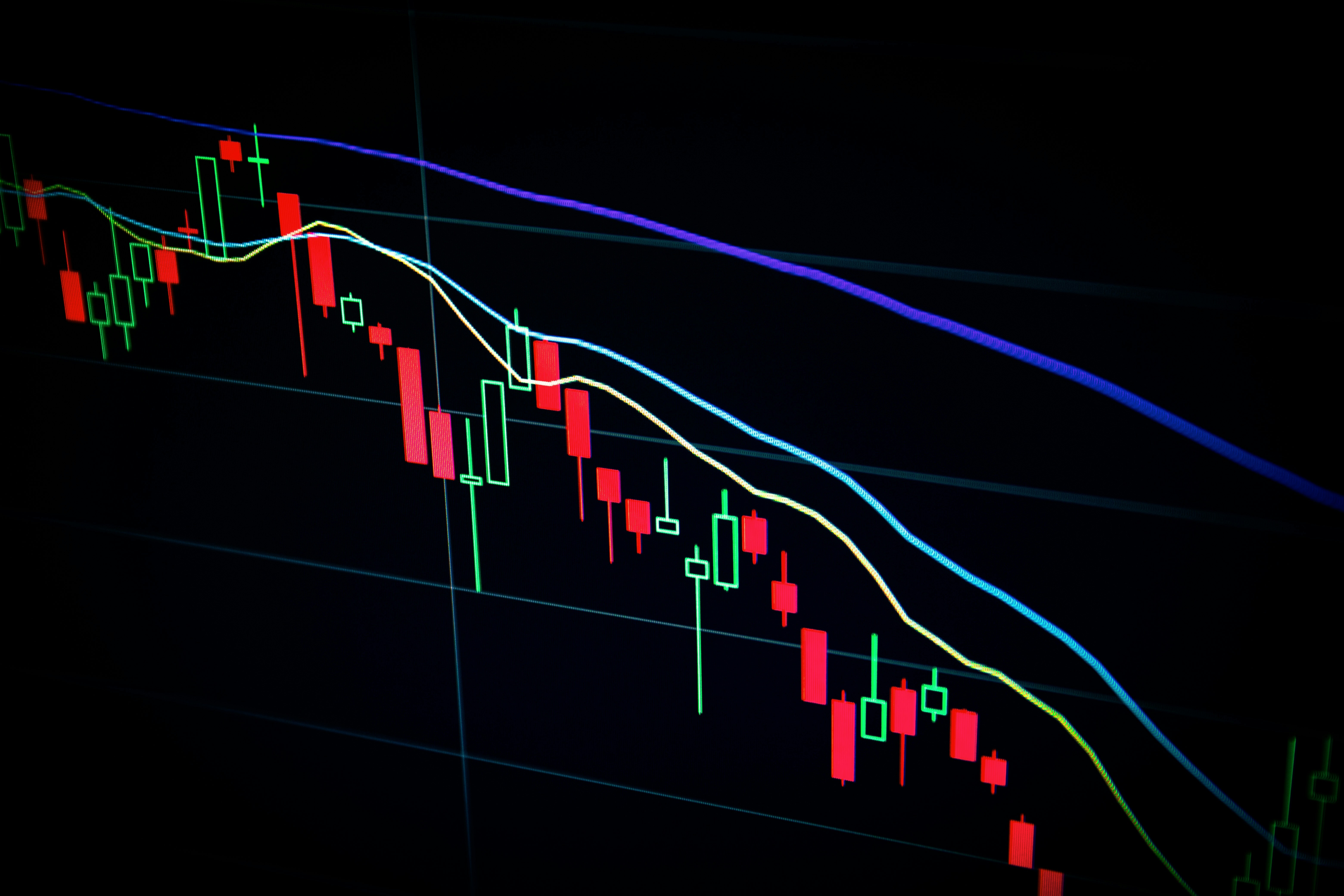
Swing trading means buying stocks for short periods to capture price movements.
A swing trader may hold a stock for:
- A few days
- A few weeks
- Sometimes a few months
The goal is to profit from short-term market swings.
For example:
- Buying a stock at
500 - Selling it at
560 - Booking quick profits
Swing traders usually rely heavily on:
- Charts
- Technical analysis
- Price action
- Momentum
- Volume
How Swing Trading Works
Loading diagram...
What is Long-Term Investing?

Long-term investing means buying quality assets and holding them for years.
Instead of focusing on short-term price fluctuations, long-term investors focus on:
- Business growth
- Earnings
- Compounding
- Long-term wealth creation
Examples:
- Buying HDFC Bank and holding for
10 years - Investing in Nifty 50 index funds for retirement
- Holding SIPs through market cycles
How Long-Term Investing Works
Loading diagram...
The Biggest Difference: Time Horizon

| Feature | Swing Trading | Long-Term Investing |
|---|---|---|
| Holding Period | Days to weeks | Years to decades |
| Focus | Price movement | Business growth |
| Analysis Type | Technical analysis | Fundamental analysis |
| Stress Level | Higher | Lower |
| Time Required | High | Low |
| Trading Frequency | Frequent | Occasional |
| Tax Efficiency | Lower | Better |
This difference changes everything:
- Stress
- Lifestyle
- returns
- Emotional pressure
Swing Trading Feels Faster
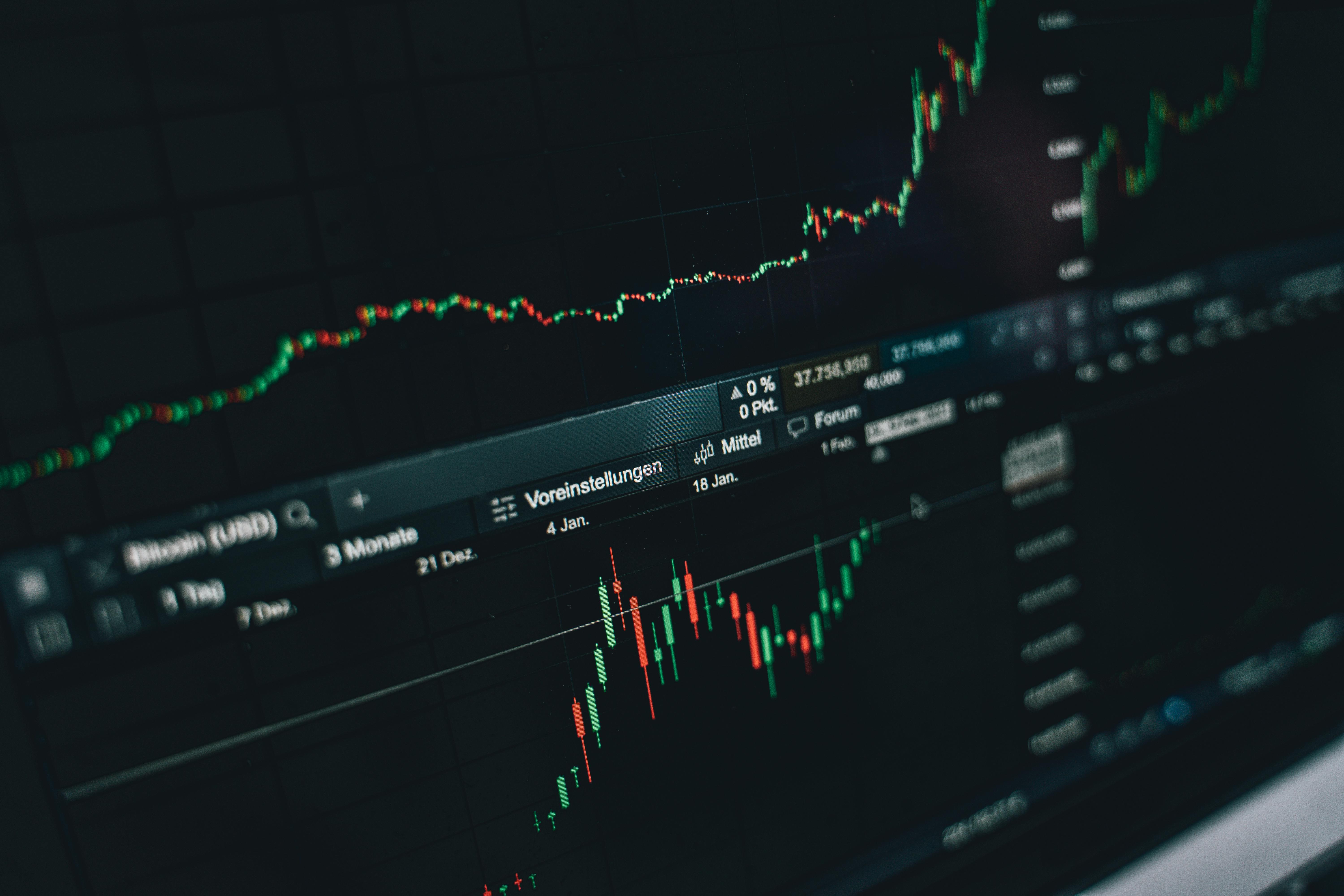
Swing trading attracts many beginners because results come quickly.
You may:
- Make profits in days
- See frequent activity
- Feel highly engaged with markets
This creates excitement.
But it also creates pressure.
Typical Swing Trading Cycle
Loading diagram...
Swing trading often requires:
- Daily chart monitoring
- Fast decision-making
- Emotional discipline
- Strict stop-loss management
Long-Term Investing Feels Slower

Long-term investing usually feels boring initially.
There may be:
- No daily excitement
- No frequent trades
- Slow visible growth
But compounding slowly builds massive wealth over decades.
Typical Long-Term Investing Journey
Loading diagram...
Most large fortunes in markets were built through patience, not constant trading.
Which Requires More Skill?

Both require skill, but different kinds.
Swing Trading Requires:
- Technical analysis understanding
- Risk management
- Emotional control
- Fast reactions
- Market discipline
Long-Term Investing Requires:
- Patience
- Consistency
- Business understanding
- Ability to ignore short-term noise
Swing trading is often harder emotionally because losses happen quickly.
Personality Matters More Than Strategy

This is where most beginners make mistakes.
They copy strategies from social media without understanding their own personality.
Swing Trading May Suit You If:
- You enjoy active decision-making
- You can monitor markets regularly
- You like fast-paced environments
- You handle stress well
- You are comfortable with quick losses
Long-Term Investing May Suit You If:
- You prefer simplicity
- You have a job or studies full-time
- You dislike constant stress
- You believe in compounding
- You are patient
A strategy that matches your personality is easier to sustain long-term.
Time Commitment is Very Different

Many beginners underestimate how much time trading requires.
Swing Traders Often:
- Track charts daily
- Read market news constantly
- Set alerts
- Manage entries and exits
Long-Term Investors Usually:
- Review portfolios occasionally
- Continue SIPs quietly
- Ignore daily volatility
For college students and working professionals, long-term investing is usually easier to maintain consistently.
Emotional Pressure: The Hidden Factor

This is one of the biggest differences.
Swing Trading Emotions
- Fear during sudden falls
- Greed during rallies
- Regret after missed trades
- Stress from stop losses
Long-Term Investing Emotions
- Patience during crashes
- Trust in long-term growth
- Less daily anxiety
Many people like the idea of trading but dislike the emotional pressure once real money is involved.
Risk Levels are Different

Swing trading usually carries higher short-term risk because:
- Market volatility matters more
- Wrong timing hurts quickly
- Frequent decisions increase mistakes
Long-term investing still has risk, but time reduces short-term volatility impact.
For example:
- A
10%fall hurts a swing trader immediately - A long-term investor may simply continue SIPs
Taxes Also Matter in India

Swing Trading
Profits are usually taxed as:
- Short-Term Capital Gains (STCG)
- Taxed at
20%for equities under current rules
Frequent trading may also involve:
- Brokerage charges
- STT
- Slippage
Long-Term Investing
Equity investments held over 1 year qualify for:
- Long-Term Capital Gains (LTCG)
- Lower tax treatment compared to short-term activity
This tax difference improves long-term compounding.
Can Someone Do Both?

Yes.
Many investors combine both approaches.
Example:
80%long-term investing20%swing trading
This allows:
- Core wealth creation
- Limited active trading exposure
Loading diagram...
But beginners should avoid overcomplicating things initially.
Common Mistakes Beginners Make

1. Starting Trading Without Risk Management
Many beginners trade based on emotions and social media tips without stop losses.
This can quickly destroy capital.
2. Expecting Quick Wealth
Swing trading is not guaranteed easy money.
Even professional traders face losses regularly.
3. Panic Selling Long-Term Investments
Long-term investing only works if you stay invested through market cycles.
4. Switching Strategies Constantly
Many people:
- Trade during bull markets
- Panic during crashes
- Return to investing later
This inconsistency damages returns.
So Which One is Better?

There is no universal answer.
Swing Trading is Better If:
- You enjoy market activity
- You can dedicate time daily
- You handle stress well
- You accept frequent losses as part of the game
Long-Term Investing is Better If:
- You want compounding
- You prefer lower stress
- You have limited time
- You want simpler wealth creation
For most beginners, long-term investing is usually the safer starting point.
Final Thoughts

Swing trading and long-term investing are not enemies.
They are simply different tools for different personalities.
One focuses on speed and market movements.
The other focuses on patience and compounding.
The important thing is choosing a strategy you can realistically sustain for years without emotional burnout.
Because in markets, consistency usually beats intensity.
FinBoom helps you track both your long-term investments and trading positions in one place so you always know how your total wealth is growing over time.